
Rain itself does not automatically invalidate XRF gold testing, but Kolkata’s warm, humid monsoon air creates a serious condensation risk when cold instruments or samples enter the room. By the end, you will know how to control the room, prepare jewellery, verify readings, and decide when an XRF result requires an independent assay.
Key takeaways
- Let cold equipment and samples reach room temperature before testing.
- Keep the X-ray window, connectors and electronics dry and clean.
- Test representative jewellery areas, avoiding stones, solder and surface coatings.
- Compare readings with reference material and investigate unstable results.
Control Condensation Before You Start a Monsoon Gold Test
Condensation, not rain itself, is the main monsoon threat to XRF gold analysis. A cold analyzer or sample entering Kolkata’s warm, humid air can develop moisture on the X-ray window, detector area, connectors, or electronics. That moisture can weaken the beam, contaminate the window, destabilise readings, or prevent the instrument from completing its self-check.
Use this procedure before each batch:
- Keep the analyzer in a dry, enclosed room and let it reach room temperature before switching it on. After air-conditioned storage or transport, allow extra equilibration time; do not guess the duration.
- Let every sample become dry and temperature-stable before measurement. Do not test jewellery immediately after it arrives wet from outdoors, or while droplets, mist, or a visible surface film remain.
- Inspect the X-ray window before the first reading and between batches. Stop if you see condensation, dust, residue, or a damaged window; clean it only by the method in the operating manual.
- Complete the manufacturer’s warm-up and self-check sequence before accepting results.
A practical target is 20–25°C with relative humidity below 60%, but the analyzer’s installation manual controls. Check its operating range, non-condensing requirement, and warm-up instructions separately from its storage range. These are essential gold purity testing conditions in kolkata.
The procurement question behind “metal analyzer gold purity for testing monsoon in kolkata” is whether the complete system maintains stable, non-condensing conditions—not whether XRF works during rain. Ask for repeatability data measured under the stated temperature, humidity, calibration, and counting conditions.
Prepare the Analyzer, Room and Power System for Humid Weather
Keep the room dry, the analyzer acclimatized, and its power supply stable before daily operation. For xray gold testing monsoon conditions, use the installation manual’s stated operating temperature, relative-humidity and non-condensing limits; a practical target is 20–25°C and 40–60% relative humidity when the manual permits it.
1. Run air conditioning or a dehumidifier, and record room temperature and relative humidity at the start of each shift. Do not rely on Kolkata’s weather report as the instrument limit.
2. Let a cold analyzer, sample holder or jewellery item reach room temperature before testing. Moisture can form on the X-ray window, detector area, connectors or electronics when equipment moves from air-conditioned storage into warm humid air.
3. Inspect the sample stage, aperture and X-ray window for droplets, dust or residue. Stop the test and follow the manual’s cleaning procedure if moisture or contamination is visible; never wipe an exposed window with an unapproved solvent.
4. Keep wet umbrellas, raincoats and freshly handled outdoor items away from the test bench. Dry jewellery completely and postpone measurement if water remains in crevices or on the surface.
5. Connect the metal analyzer for gold testing to a properly earthed outlet through the manufacturer-approved surge protection or UPS. Avoid extension boards shared with compressors, printers or heating equipment.
6. Keep ventilation openings clear and leave space around the instrument. Check cables, plugs and connectors for corrosion, looseness or water ingress before switching on.
7. Record the environmental readings, power interruptions and any warm-up or error message with the test results.
If humidity or power conditions exceed the manual’s limits, stop operation rather than treating an unstable reading as a purity result.
Prepare Jewellery Correctly and Measure Representative Locations
A metal analyzer for gold testing reads the small area exposed to its X-ray beam, not automatically the whole article. Clean each piece with a dry, lint-free cloth, remove oil and loose dirt, and let it reach room temperature; never measure droplets, condensation, polishing compound or adhesive residue.
1. Place the jewellery on a clean, stable support and cover the measurement aperture completely. Keep the test surface flat against the window; a gap, hollow section or moving chain creates geometry error.
2. Measure broad, solid areas first, away from stones, holes, sharp edges, clasps and narrow links. Use a suitable fixture for rings and curved pieces, or repeat the test with the item rotated so the beam meets the surface squarely.
3. Take readings at several locations: the main body, a second broad area, and joints, edges or visibly different sections. Record each position and compare the results; a wide spread points to solder, segregation, plating or inconsistent sampling.
4. Treat plated, rhodium-coated, filled, laminated or surface-enriched jewellery as a special case. Do not polish or scrape it before testing, because that changes the evidence; report the surface reading separately and do not present it as bulk purity.
Keep stones, loose parts and metal scraps from covering the beam or entering the holder. If the article cannot sit securely and fully over the aperture, use a fixture or send it for a method that can establish bulk composition.
Use Quality Checks to Separate a Reliable Reading from a Warning
A repeatable result needs more than one scan. Measure a clean, dry control sample with known composition three times using the same spot size, counting time, geometry and calibration used for jewellery. Record each result, the mean and the range; a wide spread signals unstable setup, poor positioning or an unsuitable control.
- Run the control after warm-up and whenever the instrument has been moved, restarted or exposed to a temperature change.
- Repeat the same jewellery location, then test additional representative locations.
- Compare every control result with its assigned value and the analyser’s documented repeatability or tolerance limit.
A control result that shifts in one direction across the day indicates drift. Stop accepting production readings, check the sample window, calibration, power stability and condensation, then repeat the control.
During xray gold testing monsoon work, do not dismiss a failed control as weather noise: a cold instrument or sample entering humid air can leave moisture on the window or create unstable electronics.
Treat the result as screening, not a definitive assay, when readings vary sharply between locations, the item is plated, soldered, filled or laminated, or the control falls outside tolerance. XRF measures the irradiated near-surface region, so a polished gold layer can pass while the bulk differs.
For a dispute, legal certification or refining settlement, send a representative sample for fire assay or another specified reference method. These are essential gold purity testing conditions in Kolkata, not optional paperwork.
Choose Equipment Against Its Documented Limits and Intended Decision
A gold purity checking instrument should be selected against the decision it must support, not its headline accuracy. Request the alloy range, calibration standards, counting time, spot size, sample geometry, confidence interval and repeatability limit behind every accuracy claim.
Ask for results on yellow gold, white gold, silver-rich alloys, copper-rich alloys, soldered pieces and platinum-group-containing materials.
| Decision | Evidence to request | Main limitation |
|---|---|---|
| Purchase intake | Repeatability data, fast-count results and tested jewellery examples | Screening does not establish a legally recognised assay |
| Laboratory work | Matrix-matched certified reference materials, calibration procedure, raw spectra and drift records | Surface composition can differ from the bulk |
| Settlement | Written uncertainty, referee method, dispute procedure and traceable records | Agree the acceptance limit before testing |
The installation manual must state operating temperature and relative-humidity limits separately from storage limits, with “non-condensing” stated plainly.
For metal analyzer gold purity for testing monsoon in Kolkata, ask the supplier to demonstrate stable readings after the instrument and samples equilibrate in a dry room; condensation on the X-ray window, detector area or connectors invalidates a confident result. Request power requirements, warm-up time, service intervals and a failure-response procedure.
A search for “xray gold testing monsoon” should end with evidence from the complete system, not a claim that XRF works in rain. CONTECH INSTRUMENTS LTD. can be included in your comparison, but require the same documented conditions and acceptance tests from every supplier.
Do not treat a buyer-facing analyzer as BIS hallmarking authority; legally recognised certification depends on BIS rules, approved facilities, procedures and records.
Related products
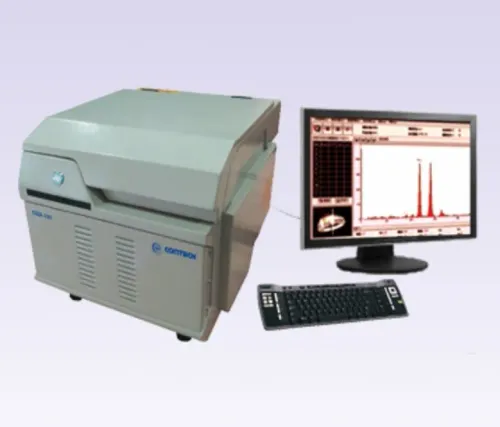
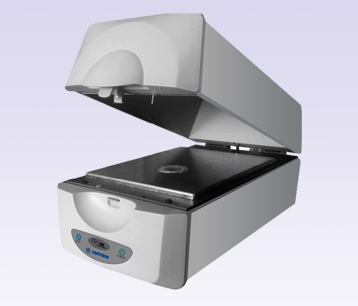 | X-RAY FLUORESCENCE SPECTROMETERS GOLD PURITY CHECKING INSTRUMENTS Silicon Drift Detector (SDD) – CGX-103 The Silicon Drift Detector (SDD) CGX-103 is an advanced XRF-based gold purity testing instrument designed for... View product → |
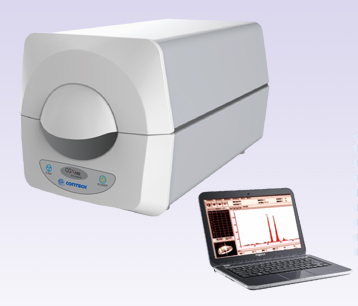 | X-RAY FLUORESCENCE SPECTROMETERS X-Ray Fluorescence Spectrometer – Gas Proportional XRF Detector CGX-101 / Silicon-PIN XRF Detector C GOLD PURITY CHECKING INSTRUMENTS X-Ray Fluorescence Spectrometer – Gas Proportional XRF Detector CGX-101 / Silicon-PIN XRF Detector CGX-102 X-Ray... View product → |
Frequently asked questions
How do you control condensation before a monsoon gold test?
Let a cold analyzer and sample acclimatise to Kolkata’s warm, humid room before switching on or measuring. Inspect the X-ray window, detector area and connectors for moisture.
How should you prepare an analyzer and room for humid weather?
Use a dry, stable test area, keep the instrument clean, allow its self-check to complete, and protect the power system from interruptions and voltage instability.
How should jewellery be prepared for representative gold testing?
Clean and dry the test area, then measure solid, representative locations. Avoid stones, solder joints, plated edges, hollow sections and visibly contaminated surfaces.
How can you distinguish a reliable reading from a warning?
Check repeatability, compare results with suitable reference material, inspect the sample and investigate readings that shift between locations or fail the instrument’s self-check.
Related product
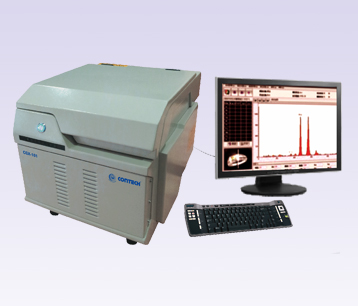 | X-RAY FLUORESCENCE SPECTROMETERS X-Ray Fluorescence Spectrometer – Gas Proportional XRF Detector CGX-101 X-Ray Fluorescence Spectrometer – Gas Proportional XRF Detector CGX-101 The X-Ray Fluorescence Spectrometer – Gas Proportional XRF Detector CGX-101... View product → |