
A fast moisture result is useful only when the sample, heating conditions, endpoint, and reporting basis are controlled. By the end, you will know how to run an LOD test, decide when Karl Fischer or an oven method is better, compare analyzer specifications, and assess a Hyderabad supplier’s support before purchase.
Key takeaways
- Protect samples from ambient moisture and test promptly.
- Choose drying temperature, time, and endpoint for the sample matrix.
- Compare repeatability, heating control, weighing resolution, and service support.
- Verify the method against a reference procedure before routine reporting.
How do you perform moisture determination with an LOD analyzer?
Protect the sample from ambient moisture, mix it to make it representative, and begin moisture determination promptly. Grind it only when grinding will not heat the material, increase exposed surface, or alter its composition.
1. Clean and dry the pan, place it on the balance, and tare it. Weigh the defined sample mass directly into the pan.
2. Spread powders, granules, pastes, or liquids in a shallow, even layer. Close the lid to limit drafts and splashing, then start the method.
3. The analyzer records the original mass, heats the sample with infrared or halogen energy, and removes evaporated material. It tracks the changing mass until the programmed endpoint, then calculates mass loss as a percentage of the starting mass.
4. State the basis in every moisture content determination. Wet-basis moisture is water mass divided by original mass; dry-basis moisture is water mass divided by dry-solids mass. If both values are fractions, dry-basis moisture equals wet-basis moisture divided by one minus wet-basis moisture.
5. Let the pan cool before handling it, clean and dry the pan, and transfer the tested material promptly into an airtight container if retention is required. Record the sample identity, mass, method, temperature, endpoint, basis, result, date, and operator.
This loss-on-drying moisture measurement reports mass lost under defined conditions, not automatically water. Solvents, volatile additives, and decomposed material can also leave the sample, so confirm what the result represents before using it for release decisions.
How should you choose the method for each sample?
Establish moisture determination with trials on the actual product, not a fixed 105 °C setting. Define sample mass, temperature, drying time, and a stable-weight endpoint against a reference result. Use a shallow layer for wet pastes; use smaller loads for slow-drying or crust-forming samples. Lower the temperature for heat-sensitive products.
Protect samples from storage humidity and moisture uptake in airtight containers, then test promptly. Delay changes the result. Uneven spreading, splashing, overheating, or a surface crust can trap moisture, drive off non-water volatiles, or create a premature stable-weight endpoint. Record each condition during method development.
| Method | Measures | Best use |
|---|---|---|
| LOD | Mass lost during defined heating; includes water, solvents, volatiles, and decomposition products | Fast routine moisture analysis after correlation with an oven method |
| Oven and balance | Gravimetric mass loss under a standard procedure | Validation, regulatory comparison, and standard gravimetric procedures |
| Karl Fischer | Water specifically by chemical reaction | Low water levels, oils, solvents, or volatile matrices when the specification is water |
For moisture content determination, validate LOD against the approved oven method on the real matrix; matching 105 °C alone does not prove equivalence. Use coulometric Karl Fischer for lower water quantities and volumetric Karl Fischer for larger amounts, selecting by expected concentration and sample behaviour. LOD and Karl Fischer are not interchangeable without comparative validation.
Which analyzer specifications affect speed and result quality?
A heating source that dries quickly is not automatically the best choice. Compare the measurement principle and its effect on your actual samples.
| Heating source | Speed and uniformity | Main checks |
|---|---|---|
| Halogen | Rapid heating with a concentrated source; control the heating profile to limit scorching | Reflective or dark samples can absorb energy unevenly |
| Infrared | Broad radiant heating; performance depends on wavelength, distance, and sample depth | Check uniformity and the risk of overheating the surface |
| Other technology | Speed and temperature control depend on the stated principle | Ask how it handles reflectivity, crusting, and sample temperature |
For a moisture determination analyzer in Hyderabad, request this comparison checklist:
- Measurable moisture range, balance readability, repeatability, temperature range and accuracy
- Pan dimensions, display resolution, and maximum sample load
- Automatic endpoint detection, saved methods, data-storage capacity, and export format
- Heating profile, measurement principle, and applicable reference methods
The displayed heater temperature is not necessarily the sample temperature. Particle size, colour, reflectivity, pan geometry, sample depth, and surface crusting change heat transfer, so compare final results and repeatability rather than copying an oven temperature.
Judge moisture measurement by complete cycle time, not drying time alone. Include pan cooling, cleaning, data entry, repeat runs, consumables, spare parts, and operator intervention; a fast drying stage loses its advantage when unstable endpoints or difficult cleanup slow moisture analysis.
How do you validate, verify, and report a moisture result?
Validate the moisture determination method before routine release. Test representative samples across the expected moisture range, compare the analyzer with an approved oven method or product standard, repeat measurements on the actual matrix, investigate bias, and establish the product-specific temperature, endpoint, and sample mass.
Matching an oven temperature alone does not validate a halogen method because layer thickness, airflow, heating rate, and endpoint rules can differ.
| Check | Evidence | Frequency |
|---|---|---|
| Balance | Traceable test weight confirms weighing performance | Daily |
| Temperature | Calibrated thermometer or sensor verifies the heating system | Periodically |
| Method | Repeatability and bias against the approved reference method | During validation and after changes |
Set acceptance limits on the correct wet-basis or dry-basis, not merely on the displayed percentage. Record the method name, original sample mass, temperature program, endpoint rule, result, operator, date, instrument identification, and retained sample. This record makes moisture analysis traceable and exposes drift between batches, operators, or instruments.
A short cycle is not an accurate result unless its validated endpoint agrees with the reference method; speed alone does not establish moisture content determination. Recheck the method after changing the sample source, particle size, pan loading, temperature, or endpoint criterion, because each change can alter moisture determination.
What should a Hyderabad buyer confirm before choosing a supplier?
A suitable moisture determination analyzer in Hyderabad must match the job, not just advertise a large sample capacity. Use it for routine quality control, incoming-material inspection, production release, and validated pharmaceutical or food testing when the method agrees with an approved reference; research work needs flexible method storage and exportable data.
| Application | Confirm before purchase | Choose another method when |
|---|---|---|
| Powders, granules, pastes | Demonstrate repeatable moisture measurement at the intended load and temperature | The sample crusts, scorches, or decomposes before reaching a stable endpoint |
| Liquids and volatile materials | Check splashing, vapour handling, and endpoint behaviour | Solvents or volatile additives cause mass loss unrelated to water |
| Pharmaceutical or food release | Correlate moisture analysis with the product standard or oven method | The specification measures water specifically; use Karl Fischer |
| Low-water, oily, or research samples | Require application method development and exported records | Use coulometric Karl Fischer for lower water quantities or volumetric Karl Fischer for larger amounts, as the matrix requires |
Demand a live demonstration using your powders, granules, pastes, liquids, and heat-sensitive materials. Measure the complete cycle: weighing, heating, cooling, pan cleaning, repeat tests, data entry, and disagreement resolution against oven or Karl Fischer results.
Your quotation should state:
- Application support, installation and training, calibration documentation, separate balance and temperature verification, and method development.
- Spare pans and filters, heating-element or lamp availability, warranty terms, local service coverage, response time, and data-export format.
- Total labour for weighing, cleaning, repeats, documentation, and investigations.
CONTECH INSTRUMENTS LTD. is worth considering when it demonstrates your samples and documents these commitments rather than relying on capacity alone.
Related product
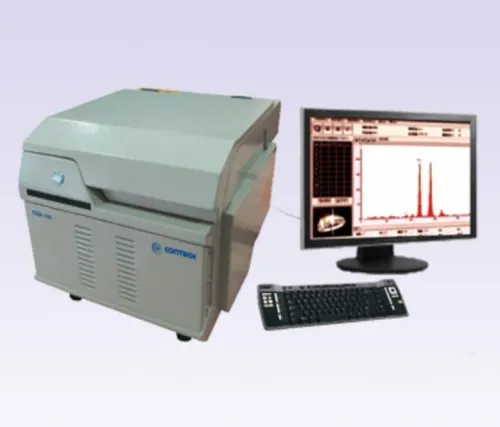
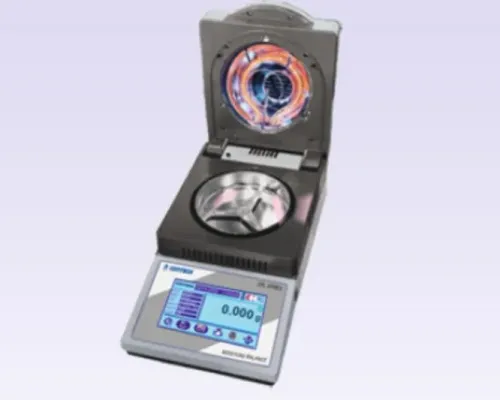
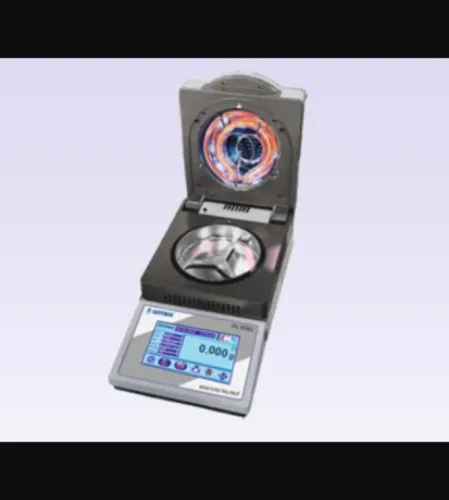
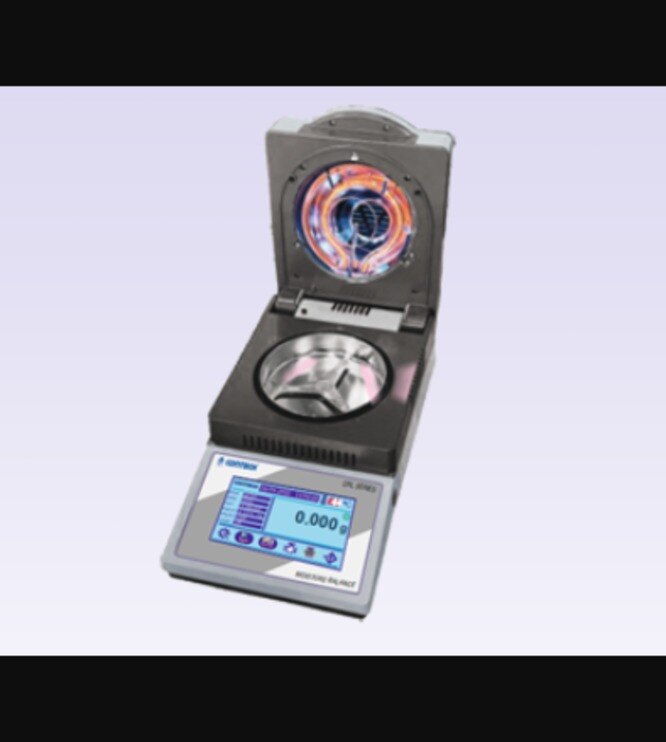
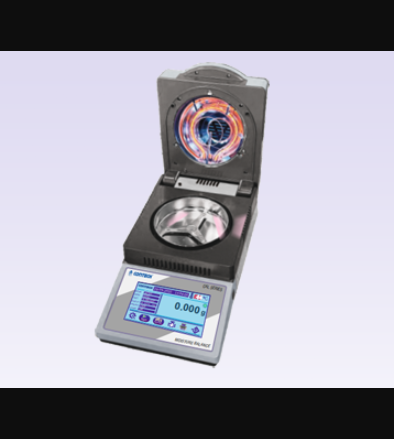 | Moisture Balances Moisture Balances (CAL Series) (0.001 g to 180 g) Moisture Balances (CAL Series) (0.001 g to 180 g) The CONTECH CAL Series Moisture Balances are advanced moisture analyzers designed for fast,... View product → |
Frequently asked questions
How do you perform moisture determination with an LOD analyzer?
Prepare a representative sample, place a defined portion in the pan, select the validated heating program, and record the loss-on-drying result after the analyzer reaches its endpoint.
How should you choose the method for each sample?
Match the method to the sample’s moisture level, particle size, heat sensitivity, volatility, and expected drying behaviour. Confirm the selected program against a reference oven method or applicable standard.
Which analyzer specifications affect speed and result quality?
Check weighing resolution, heating technology, temperature range, temperature stability, endpoint control, sample capacity, repeatability, and data-recording features.
How do you validate, verify, and report a moisture result?
Validate the method for the sample matrix, verify performance with reference materials or comparison results, document sample and program details, and report moisture content with the test basis and units.
What should a Hyderabad buyer confirm before choosing a supplier?
Confirm installation, operator training, calibration support, service response, spare-parts availability, documentation, application testing, and whether the supplier can support your laboratory’s sample types.