
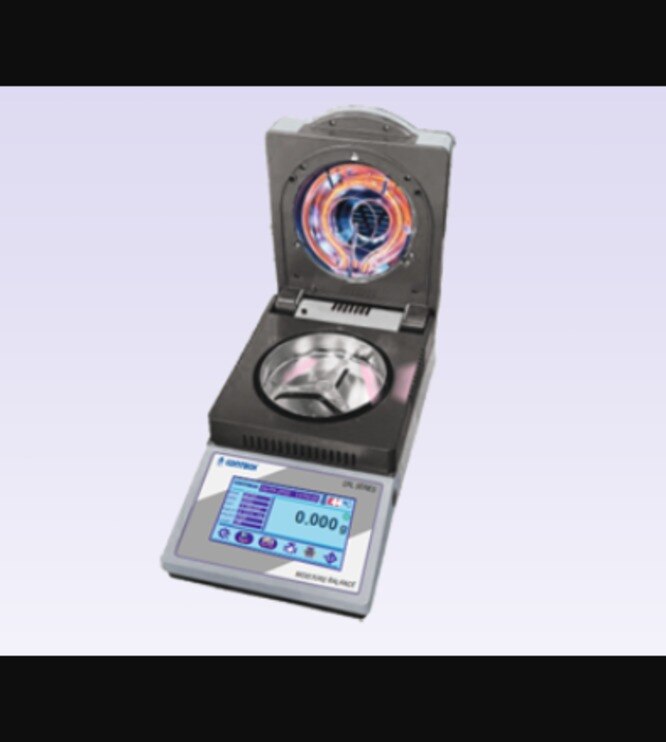
A moisture analyzer has a narrow but valuable role in bullion operations: measuring removable mass from wet residues, sludges, precipitates, and related process materials. By separating that use from gold-purity testing and ordinary weighing, you can decide whether the instrument will improve settlement calculations or simply add another instrument to a dry-bar workflow.
Key takeaways
- Use moisture testing for wet process solids, not clean, dry bullion.
- Choose loss-on-drying, Karl Fischer, or laboratory testing by sample type.
- Record sample mass, temperature, endpoint, and dry-basis calculation.
- Compare repeatability, sample capacity, service, and calibration before buying.
Where moisture measurement earns its place in bullion work
Moisture analysis earns its cost where a Hyderabad bullion operation buys, sells, or settles material containing water—not where it weighs a clean, dry bar. Refinery operators handling wet gold-bearing sludge, precipitates, filter cakes, polishing residues, or damp process solids need moisture measurement to convert wet mass into dry-basis mass.
That conversion can change payable-metal calculations when water forms a large share of the lot.
| Operation or material | What moisture measurement detects | Commercial reason |
|---|---|---|
| Refinery wet sludge or precipitate | Water retained in the process solid | Calculate dry-basis mass before settlement |
| Filter cake or polishing residue | Water held between particles | Compare recovery lots on a consistent basis |
| Assay laboratory process sample | Mass loss during a defined heating method | Monitor preparation and support repeatable reporting |
| Jewellery counter or finished-bar stock | Surface water or damp packaging | Investigate handling or packing issues, not fineness |
| Clean, dry gold or silver bar | Little useful moisture information | Use mass measurement, XRF screening, or fire assay instead |
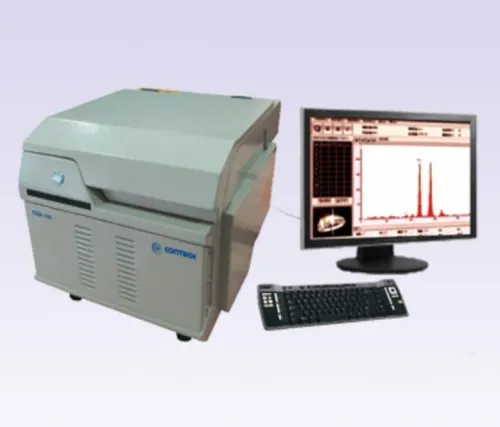
A dry gold bar does not gain meaningful purity information from moisture testing. Fineness, authenticity, plating, and contamination require elemental or mass controls: X-ray fluorescence provides rapid screening, while fire assay remains a reference method for gold determination in bullion.
A digital analyzer also reports heating-related mass loss, not automatically water. If the residue contains solvents or decomposes during heating, the result can misstate moisture. Use moisture analysis for a defined process material and dry-basis calculation; do not use it to replace XRF, fire assay, or a balance when the question concerns precious-metal content.
Choose the method that matches the commercial question
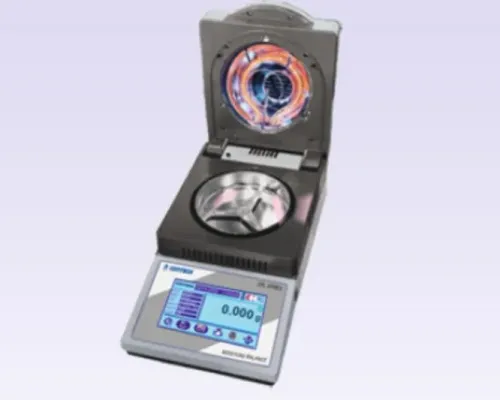
Choose a moisture balance instrument when the commercial question is “how much mass will this representative residue lose under a defined drying method?” It suits wet packaging, polishing residue, filter cake, or other non-metal material linked to refining.
It does not prove gold purity, and its reported “moisture” includes solvents, oils, fluxes, and thermally decomposing material unless you have demonstrated otherwise.
| Option | What it answers | Choose it when |
|---|---|---|
| Analytical balance | What does the sample weigh? | You need stable mass, not moisture percentage |
| Precision weighing scale | What is the bulk or transaction weight? | You are weighing lots, containers, or packages |
| Moisture balance instrument | How much mass is lost during programmed heating? | A fast, repeatable loss-on-drying result answers the question |
| Oven loss-on-drying | What loss occurs under a documented oven method? | You need a reference or an established laboratory method |
| Karl Fischer titration | How much water is present? | Water itself matters; ASTM E203 covers volumetric determination |
| X-ray fluorescence analyzer | What elemental composition or gold fineness is indicated? | The dispute concerns alloy composition or purity |
Do not use the moisture balance as the legal weight for a bullion transaction. Indian Legal Metrology verification and stamping requirements apply separately; confirm that the transaction scale is approved for trade.
Before relying on the result, compare the instrument with an oven or Karl Fischer method where appropriate. Verify both weighing calibration and temperature performance: a correct test weight cannot prove that the sample reached the programmed temperature.
How to run a defensible moisture test
A useful result starts with a representative wet sample, not a scoop taken from the driest edge of a filter cake. Mix the material without losing fines, then seal and label it immediately with the lot number, source, and collection time.
1. Confirm that the moisture balance instrument has a current balance calibration and temperature check. Record the pan type, program temperature, heating profile, endpoint criterion, and sample mass before testing.
2. Weigh a defined portion into a clean, dry pan and spread it in a thin, even layer. Break agglomerates gently; do not grind the sample if grinding could release heat, solvents, or volatile material.
3. Run at least duplicate portions from the mixed sample. Use the same sample mass, pan loading, temperature, and endpoint for every portion. Stop only when the instrument’s specified mass-change criterion is met, not when the display merely appears stable.
4. Record wet mass, dry mass, elapsed time, and moisture percentage. Calculate dry mass as wet mass multiplied by one minus the moisture fraction; at 18% moisture, 100.00 g wet material becomes 82.00 g dry material.
5. Compare the duplicate results and investigate a meaningful difference before reporting. Confirm the method with an oven loss-on-drying comparison or a reference sample from the same residue.
Loss-on-drying measures mass lost during heating, not automatically water. Solvents, oils, fluxes, adsorbed gases, or decomposing residue can raise the reported moisture measurement, so use fire assay, XRF, or another elemental method for metal content and fineness.
Control the errors that change the reported result
A sample left open in Hyderabad’s humid air can gain surface water before the pan reaches the balance. That extra mass becomes a false moisture result, while a hot sample can create drafts and unstable readings.
- Transfer the sample in a sealed, labelled container and open it only beside the analyzer. Mix it consistently, reduce large pieces to a defined particle size, and weigh the same sample mass each time.
- Load the pan in a thin, even layer. A heap dries unevenly; an overloaded pan can trap solvent or water and produce a low result.
- Record the drying temperature, heating profile, sample mass, and endpoint criterion. Excess heat can drive off oils, solvents, fluxes, adsorbed gases, or decomposing material, so the reported loss is not automatically water.
- Install the instrument on a rigid bench away from air-conditioning outlets, doors, direct sun, vibration, and high-traffic areas. Allow the analyzer and sample to reach room temperature before weighing.
- Check the balance with traceable mass standards and reject runs with unstable zero, drifting readings, or a sudden change in repeatability. High readability does not prove accuracy.
Run duplicate tests when a settlement depends on the result. If two results disagree, inspect sample preparation and the heating method before averaging them; different endpoint choices can make two laboratories report different moisture percentages from the same residue.
Keep the method separate from legally valid commercial weighing, which requires its own Indian Legal Metrology verification and stamping checks.
A purchase decision for a digital moisture analyzer in Hyderabad
Do not approve a digital moisture analyzer in Hyderabad from a brochure alone. Require evidence that it measures your refining residue consistently, that its reported loss represents water rather than solvent, oil, flux, or decomposition, and that the result answers a real receiving or settlement question.
1. Request an application test using your homogenized residue, not a supplier’s dry demonstration powder. Record sample mass, heating temperature, endpoint, test time, duplicate results, and the difference between wet mass and dry mass.
2. Ask for balance calibration records with traceability, plus separate temperature verification and heating-uniformity results. A certified weight checks the balance; it does not prove that the sample reaches the programmed temperature evenly.
3. Obtain a written service commitment covering calibration intervals, response time in Hyderabad, lamp or heater replacement, spare parts, and application-method troubleshooting. Ask who will investigate a failed repeat test.
4. Check the proposed method against an oven Loss on Drying result or Karl Fischer titration when water alone matters. A moisture balance instrument reports mass lost during heating, not automatically water content.
5. Confirm that the instrument is not being presented as a legally valid trade-weighing device. If moisture changes a transaction quantity, check Indian Legal Metrology verification and stamping requirements separately.
CONTECH INSTRUMENTS LTD. is one supplier you can ask to demonstrate the method on your residue and document these controls; accept the purchase only when the evidence survives independent review. Set a sealed-sample hold time and reject results from segregated, crusted, or delayed samples.
Related product
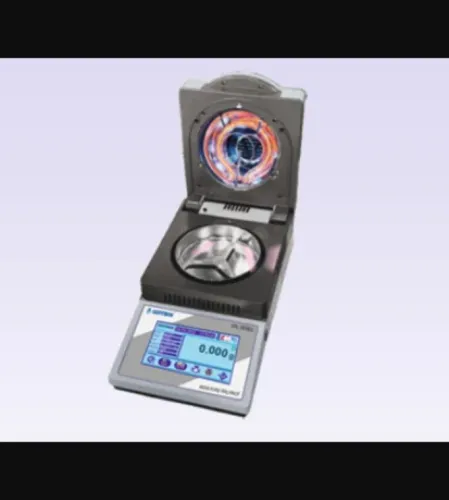
 | Moisture Balances Moisture Balances (CAL Series) (0.001 g to 180 g) Moisture Balances (CAL Series) (0.001 g to 180 g) The CONTECH CAL Series Moisture Balances are advanced moisture analyzers designed for fast,... View product → |
Frequently asked questions
When does moisture measurement earn its place in bullion work?
Use it when wet gold-bearing sludge, precipitates, filter cakes, polishing residues, or damp process solids must be converted from wet mass to dry-basis mass.
Which moisture-testing method should a bullion dealer choose?
Match the method to the commercial question: a heated loss-on-drying test suits routine process solids, while Karl Fischer titration suits samples where water must be measured selectively or at low levels.
How do you run a defensible moisture test?
Use a representative sample, record the wet mass, apply a controlled drying program, confirm a stable endpoint, and document the final dry mass and calculation.
What should you compare before buying a digital moisture analyzer in Hyderabad?
Compare temperature control, sample capacity, repeatability, endpoint settings, calibration support, service access, spare parts, and whether the method matches your material.