

Mumbai’s monsoon does not reduce the fineness of sound gold, but moisture, condensation, contaminated surfaces and unstable weighing conditions can change what your test reports. You will be able to prepare the room, sample and equipment correctly, recognise a misleading reading and choose a suitable testing setup for a shop, refinery or laboratory.
Key takeaways
- Humidity does not lower gold fineness, but it can disrupt testing conditions.
- Dry and clean jewellery surfaces before taking an XRF reading.
- Compare multiple representative areas when plating or solder may affect results.
- Keep balances, samples and testing equipment away from condensation and drafts.
What Mumbai’s Monsoon Changes—and What It Does Not
High humidity does not chemically lower gold purity: atmospheric moisture cannot convert sound gold into a lower-fineness alloy. If a gold test changes during Mumbai’s monsoon, investigate the testing conditions, sample surface, weighing procedure or sampling location before blaming the metal.
Relative humidity alone does not wet an instrument. Condensation is different. Move a cold sample, balance or XRF unit from air-conditioning into warm monsoon air, and a water film can form on sample surfaces, connectors or fixtures.
That film can promote corrosion, contaminate electronics, disturb balance stability and alter the surface seen during gold purity testing.
Pay closer attention to rapid temperature changes, rainwater, perspiration and unconditioned airflow than to humidity as an abstract number. Keep rain and damp handling away from the test area, and never treat one Mumbai humidity figure as a universal pass/fail limit.
Follow the operating temperature and humidity range specified for your particular balance or XRF system, then record those conditions when results are released.
How to Prepare the Room, Instrument and Jewellery Before Testing
Use a dry, temperature-stable room away from open windows, rain ingress and direct humid airflow. Keep the gold testing machine and balance clear of air-conditioner outlets, wet packaging and doors that open onto rain.
1. Let the gold purity equipment, balance, reference standards, sample holder and jewellery reach room temperature before testing. Allow extra equilibration time after travel through rain or removal from an air-conditioned room; record that time.
2. Inspect the XRF measurement window, sample chamber, ventilation openings and cables for droplets, corrosion, residue or condensation. Do not energise equipment with visible moisture.
3. Warm up the instrument according to its manual. Verify calibration with a traceable reference material or certified reference material covering the relevant gold alloy and concentration range, not only an internal electronic check.
4. Clean each item under a defined procedure: remove rainwater and perspiration, then remove skin oil, polishing compound and packaging residue with the approved solvent or lint-free material. Let the surface dry completely; a quick wipe is not sufficient.
5. Record room temperature, relative humidity, equilibration time, instrument warm-up, reference-standard result and sample identification before releasing results. Follow the equipment’s stated environmental limits rather than applying one universal humidity limit.
A damp or contaminated surface can change the reading, while condensation can destabilise connectors, fixtures and electronics. Quarantine any item or measurement that remains unstable after preparation and repeat it only on a clean, dry location.
Why a Clean, Representative Surface Matters in an XRF Gold Test
A normally functioning XRF instrument can give a misleading gold purity testing result because it measures the irradiated surface and near-surface volume, not automatically the item’s bulk composition. A gold test can therefore read plating, surface enrichment, solder, tarnish, dirt, skin oil or polishing compound instead of the underlying alloy.
Curved surfaces, hollow construction, stones and poor placement change the instrument’s geometry or select a non-representative area. A wet or contaminated spot can also attenuate signals or add detected elements; repeating that same spot only repeats the problem.
| Observation | What it means | Action |
|---|---|---|
| Stable reading on a clean, flat area | Useful spot result | Record its location and do not call it the whole item |
| Different readings across the article | Heterogeneous construction, plating or solder | Test multiple clean locations, including visibly different or soldered regions |
| Outlier, unstable or questionable reading | Contamination, poor geometry or instrument conditions | Repeat on another prepared area, not the same wet spot |
State whether the report represents one spot, an average, or a decision about the whole article. Clean and dry the item under a defined procedure; prepare or file a representative area when tarnish, coating or residue is suspected.
Use density testing as supporting evidence for a suitable solid item, and escalate to fire assay when results remain inconsistent, the stakes are high, or bulk composition must be established.
How Weighing, Density and Fire Assay Respond to Wet-Season Errors
Condensation, not humid air alone, is the immediate monsoon threat in weighing. A cold analytical balance, reference weight or sample moved from air-conditioning into warm air can develop a water film and produce unstable readings. Air density also changes with temperature, pressure and moisture content, affecting high-accuracy air-buoyancy corrections used in gold purity testing.
| Method | Moisture vulnerability | Control |
|---|---|---|
| Analytical weighing | Condensation on the balance, reference weight or sample shifts readings. | Equilibrate equipment and samples; keep them dry; allow stable readings before recording. |
| Hydrostatic density | Droplets, bubbles, wet suspension wires or inconsistent drying distort calculated density and inferred karat value. | Clean and dry the sample consistently, inspect for droplets, remove bubbles from submerged surfaces, dry the wires, and complete dry and immersed weighings under the same procedure. |
| Fire assay | Wet feed, damp crucibles or moisture in porous material can generate steam, cause spattering, lose sample and create safety and accuracy risks. | Dry and condition feed and crucibles under the laboratory procedure before high-temperature fusion. |
| Acid and touchstone | A dirty streak, plating, solder, surface enrichment, unsuitable acid strength or operator interpretation can disagree with bulk composition. | Prepare a clean, representative surface and treat the result as screening, not a substitute for validated bulk testing. |
These controls belong in the procedure for gold purity equipment, not in the analyst’s judgement during a wet afternoon. Bulk methods and surface screening answer different questions.
A Monsoon-Ready Testing Sequence for Jewellery Shops
Use this sequence to test gold purity in Mumbai during wet weather, and apply it to every batch:
- Inspect the instrument, sample holder, cables and reference result before testing. Confirm the reference standard gives its expected alloy value.
- Let the equipment, reference standard and jewellery reach room temperature after air-conditioning, rain travel or wet packaging.
- Clean and completely dry each item using the shop’s defined preparation method. Remove water, perspiration, oil and residue.
- Place each article in the same stable geometry, with the measurement surface flush and unobstructed.
- Run the gold test at several representative locations, including visibly different or soldered areas when relevant.
- Repeat every outlier or unstable reading on a different clean location; do not repeatedly test the same contaminated spot.
- Record the alloy result, location, temperature, relative humidity, preparation, reference check and instrument status. State whether the result represents one spot, an average, or the whole article.
- Quarantine an item that remains inconsistent pending further examination.
If results change, troubleshoot in this order: sample dryness and cleanliness; condensation and instrument warm-up; balance stability; reference-standard verification; detector or X-ray tube status; then replicate measurements at different locations. A stable display alone does not validate a monsoon-period reading.
Is a Handheld Gold Testing Machine Right for Your Mumbai Workspace?
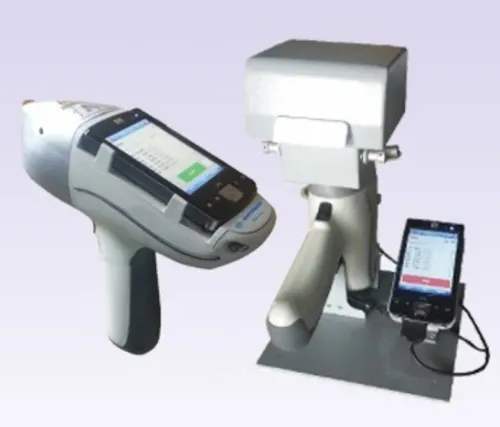
A handheld gold testing machine suits a rain-exposed buying desk when speed matters more than controlled geometry; an enclosed fixed setup suits an air-conditioned showroom, refinery or laboratory where repeatability and contamination control matter more.
| Option | Strength | Limitation |
|---|---|---|
| Handheld unit | Quick checks, multiple locations, easy movement | Positioning, sample contact and operator technique vary |
| Fixed setup | Stable geometry, repeatable positioning, cleaner measurement environment | Requires bench space, room control and defined sample workflow |
Portability does not make wet jewellery safe to test. Dry every sample, allow the instrument, sample and reference standards to equilibrate, perform reference checks, and protect the unit from rain and condensation. Do not infer water resistance or an ingress-protection rating unless the manufacturer documents it.
Before selecting gold purity equipment, check:
- Expected sample volume and whether you need multi-spot analysis.
- Operator training, cleaning access and sample-positioning fixtures.
- Calibration verification using traceable or certified reference materials across relevant alloys.
- Data records for operator, location, result, temperature, humidity and instrument status.
- Room control for the desk or lab, plus escalation to density testing or fire assay.
- Service response, environmental limits and application fit.
Ask CONTECH INSTRUMENTS LTD. these questions before choosing solely by detector type or portability. If you need to test gold purity in Mumbai, demand the stated verification procedure and support terms in writing.
Related products
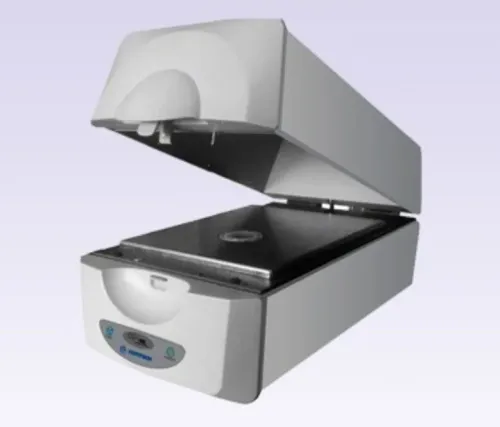
 | X-RAY FLUORESCENCE SPECTROMETERS GOLD PURITY CHECKING INSTRUMENTS Gold Purity Checking Balance Gold Purity Checking Balance Manufacturer, Supplier & Exporter Our Gold Purity Checking Balance is designed for... View product → |
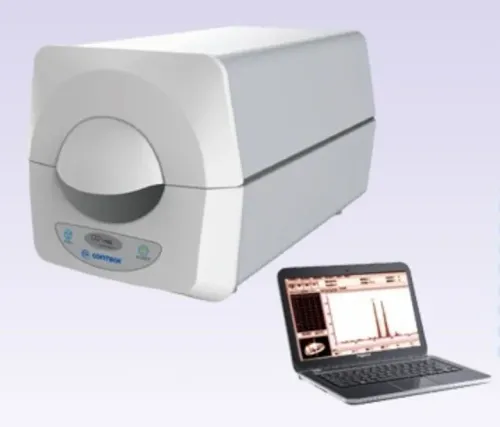
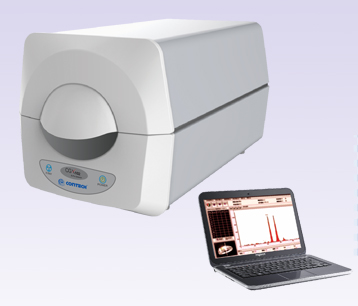 | X-RAY FLUORESCENCE SPECTROMETERS X-Ray Fluorescence Spectrometer – Gas Proportional XRF Detector CGX-101 / Silicon-PIN XRF Detector C GOLD PURITY CHECKING INSTRUMENTS X-Ray Fluorescence Spectrometer – Gas Proportional XRF Detector CGX-101 / Silicon-PIN XRF Detector CGX-102 X-Ray... View product → |
Frequently asked questions
Can Mumbai monsoon humidity lower the actual purity of gold?
No. Atmospheric moisture cannot convert sound gold into a lower-fineness alloy. Check the instrument, sample surface, weighing procedure and sampling location when results change.
How should jewellery be prepared before an XRF gold test?
Dry the piece, remove dirt and residue, and test a clean representative area. Take readings away from plating, solder joints, stones and visibly repaired sections.
Does monsoon weather affect weighing, density testing or fire assay?
Wet-season conditions can introduce surface moisture, drafts, condensation and handling errors. Control the room and weighing procedure, while recognising that fire assay depends primarily on correct sampling and laboratory technique.
Is a handheld gold testing machine suitable for a Mumbai jewellery shop?
It can suit shops that need quick, non-destructive screening when operators control surface preparation, instrument position, calibration checks and reading locations. Use a laboratory method when the result requires formal confirmation.
Related product
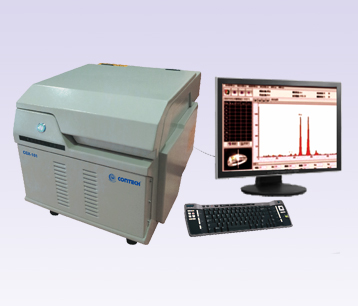
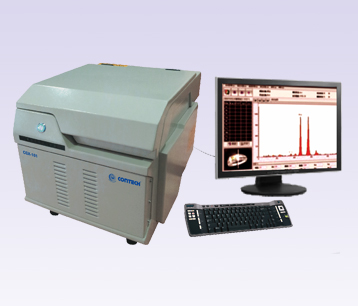 | X-RAY FLUORESCENCE SPECTROMETERS X-Ray Fluorescence Spectrometer – Gas Proportional XRF Detector CGX-101 X-Ray Fluorescence Spectrometer – Gas Proportional XRF Detector CGX-101 The X-Ray Fluorescence Spectrometer – Gas Proportional XRF Detector CGX-101... View product → |