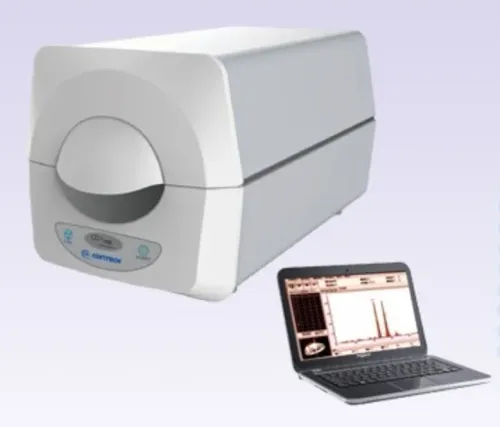

Selecting XRay Testing Instruments For Gold Analyzer applications requires more than requesting quotations from several suppliers. Analytical equipment should be assessed systematically so that technical performance, daily usability, safety, support, and long-term operating requirements are considered together.
For jewellery manufacturers, traders, and precious metal businesses in Mumbai, Maharashtra, the following evaluation approach can make provider selection more structured.
Confirm Application Suitability First
Before discussing price, explain what the instrument will actually test.
Provide information about typical samples, expected gold alloys, sample dimensions, daily testing volume, and the type of results required.
A provider should be able to discuss how the proposed system relates to these practical conditions.
Ask for Relevant Technical Information
Important questions can include:
What elemental range is supported for the intended application?
Which analytical methods or calibrations are used?
What measurement conditions are recommended?
How are results displayed?
What factors can affect analysis?
How should irregular jewellery be positioned?
What routine instrument checks are required?
Clear technical answers help distinguish application-focused discussions from generic sales presentations.
Review the Software
Ask to see the actual analysis workflow.
An operator should be able to understand how samples are identified, methods are selected, results are reviewed, and reports are stored.
If multiple employees will operate the instrument, straightforward software can improve consistency.
Examine Safety Features
XRF equipment involves X-ray generation, so safety cannot be treated as a secondary specification.
Understand the instrument's engineered controls, operating safeguards, installation guidance, and the responsibilities associated with its use. Training should include correct safety procedures as well as analytical operation.
Evaluate After-Sales Capability
Ask what happens after installation.
Useful questions include:
Is operator training provided?
Is application support available?
How are service requests handled?
What preventive maintenance is recommended?
How are technical issues diagnosed?
What support is available for software or analytical questions?
These factors become particularly important when the instrument supports routine production decisions.
Compare Ownership Value
A lower initial cost may be attractive, but equipment downtime, difficult operation, or limited support can add indirect costs.
Evaluate the purchase over its expected working life rather than treating the quotation as the entire cost.
CONTECH INSTRUMENTS LTD. can be assessed using this checklist by businesses seeking XRF gold analysis solutions in Mumbai.
A strong provider-selection process should leave the buyer with clear answers about performance, sample suitability, operation, training, safety, and support. When those questions are addressed before purchase, the organisation is better prepared to implement XRF analysis effectively rather than simply adding another instrument to the workplace.